By the Grappi team · Updated November 2026 · 5 min read
Yes, wine is gluten-free. Wine is made by fermenting grapes, and grapes contain no gluten, so red, white, rosé and sparkling wine are all naturally gluten-free and considered safe for people with celiac disease. There are only two rare, minor exceptions, and a short list of flavoured wine products to check. Here is what to know, and when to read the label.
Is wine gluten-free?
Wine starts as grape juice and becomes wine when yeast ferments the grape sugar into alcohol. Gluten is a protein found in wheat, barley and rye, none of which are part of making wine. That is why ordinary wine, of every colour, is naturally gluten-free.
Testing backs this up: analysis of standard wine finds gluten below 20 parts per million, the level at which a product can be called gluten-free, and usually far below it.
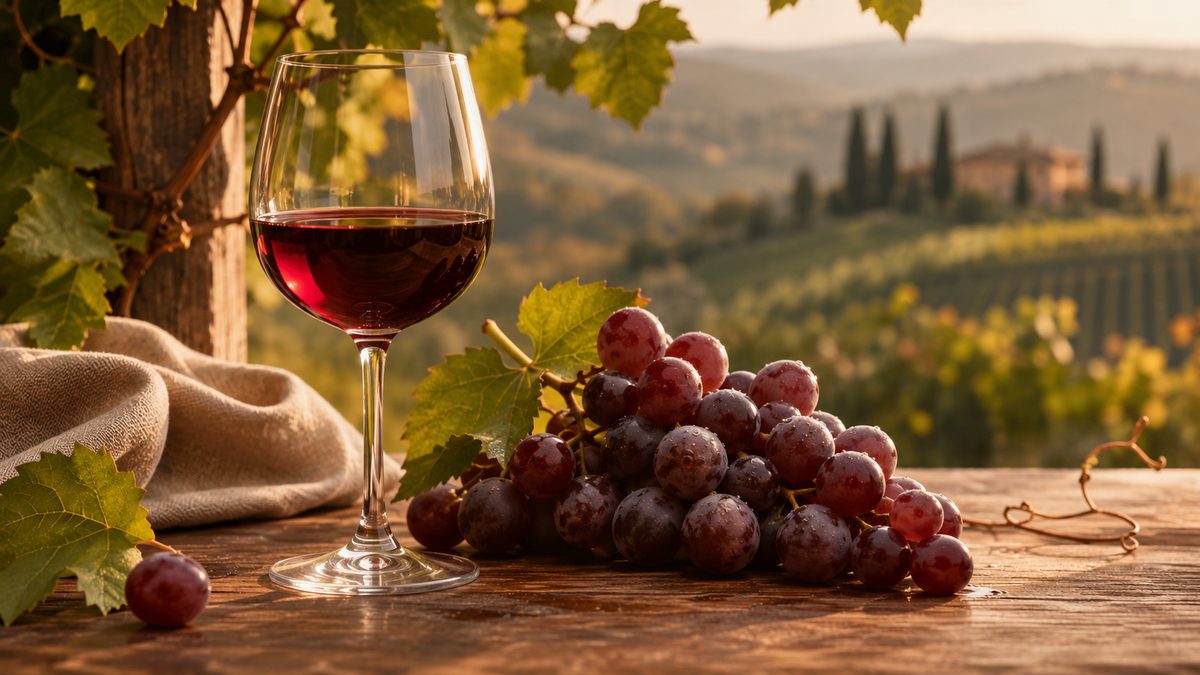
Wine is fermented from grapes alone, so it finishes naturally gluten-free, with none of the wheat, barley or rye that carry gluten.
Which wines are gluten-free?
Wine
Gluten-free?
Notes
Red wine
Yes
Grape-based, no gluten
White wine
Yes
Grape-based, no gluten
Rosé
Yes
Grape-based, no gluten
Sparkling (Champagne, Prosecco, Cava)
Yes
Grape-based, no gluten
Port, Sherry, dessert wine
Yes
Grape-based; check added-ingredient bottles
Wine coolers, flavoured wines
Check the label
May add barley malt or other gluten sources
The two exceptions worth knowing
For the vast majority of people with celiac disease or gluten sensitivity, wine is simply safe. Two edge cases come up, and neither is a real-world problem for almost anyone:
1. Wheat-paste barrel sealing. A traditional, now uncommon, method used a wheat-flour paste to seal oak barrels. Any possible gluten transfer is far below the gluten-free threshold, and tested wines sit well under it.
2. Added ingredients. Flavoured wines, wine coolers and some wine-based drinks can include barley malt or other gluten-containing additives. These are the products to read carefully, because they are no longer just fermented grapes.
The only bottles to read carefully are flavoured wines and wine coolers, which can add gluten-containing ingredients.
Why is wine rarely labelled gluten-free?
Because wine is regulated separately from food, many bottles that are perfectly gluten-free carry no gluten-free label. Do not read anything into the missing label: a standard wine with no added ingredients is gluten-free whether it says so or not.
For almost everyone with celiac disease, ordinary wine is simply safe to enjoy.
Yes. Wine is made by fermenting grapes, which contain no gluten, so ordinary wine is naturally gluten-free and is considered safe for people with celiac disease.
Is red wine gluten-free?
Yes, red wine is gluten-free. Like all wine it is made from grapes, with no wheat, barley or rye involved at any stage.
Is white wine gluten-free?
Yes. White wine, like red and rosé, is fermented from grapes and contains no gluten.
Can people with celiac disease drink wine?
Most people with celiac disease can drink ordinary wine, because it is gluten-free. If you are highly sensitive, the two rare exceptions below are worth knowing, and you should always follow your own medical advice.
Does wine contain wheat?
No. Wine is fermented from grapes, not grains, so it contains no wheat, barley or rye, which are the sources of gluten.
What about wine aged in oak barrels sealed with wheat paste?
A traditional and now rare practice sealed barrels with a wheat-flour paste. Any possible transfer is far below the 20 ppm gluten-free threshold, and testing of wine finds it well under that limit, so it is not a concern for almost everyone.
Are wine coolers and flavoured wines gluten-free?
Not always. Some wine coolers, flavoured wines and wine-based products add barley malt or other gluten-containing ingredients. Check the label on anything that is not straight grape wine.
Is dessert or fortified wine gluten-free?
Port, Sherry and most dessert wines are gluten-free, as they are grape-based. As always, check added-ingredient products and go by your own tolerance.
Is wine labelled gluten-free?
Wine is regulated differently from food and is often not labelled gluten-free even though it is. The absence of a label does not mean a wine contains gluten.
How much gluten is in wine?
Effectively none. Testing of ordinary wine finds gluten below 20 ppm, the threshold used to define gluten-free, and usually far below it.