By the Grappi team · Updated November 2026 · 6 min read
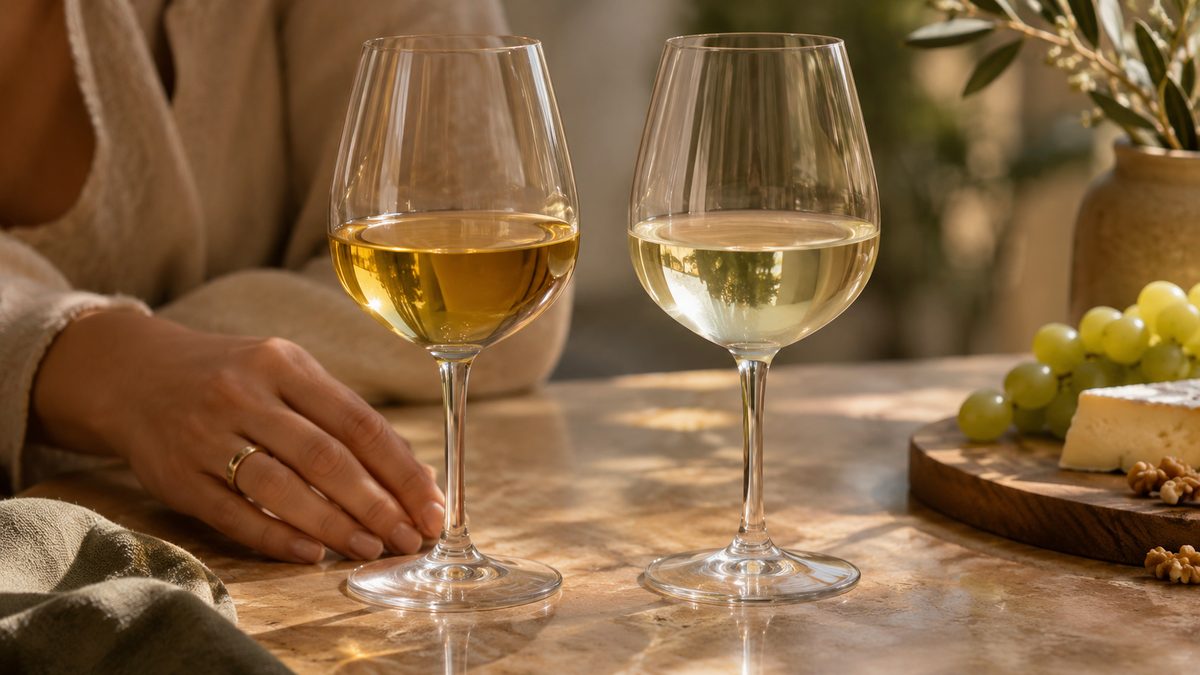
Chardonnay and Sauvignon Blanc are the two most famous white wines, and they sit at opposite ends of the style scale. Chardonnay is medium to full-bodied and often oaked, giving rich, buttery, tropical flavours. Sauvignon Blanc is light, high in acidity and herbal, all citrus and fresh-cut grass. Choose Chardonnay for richness and body, Sauvignon Blanc for crisp, zesty refreshment. Here is how they differ and which to pour.
Chardonnay vs Sauvignon Blanc: the difference
The split is body and oak. Chardonnay is a rounder, weightier wine, and when it is aged in oak barrels it picks up buttery, vanilla and toasty notes on top of apple and tropical fruit. Sauvignon Blanc is the opposite: light, lean and rarely oaked, bursting with grapefruit, lime, gooseberry and a green, grassy, herbal snap.
That makes Chardonnay the richer, more versatile food wine and Sauvignon Blanc the crisp, refreshing one you reach for on a warm day.
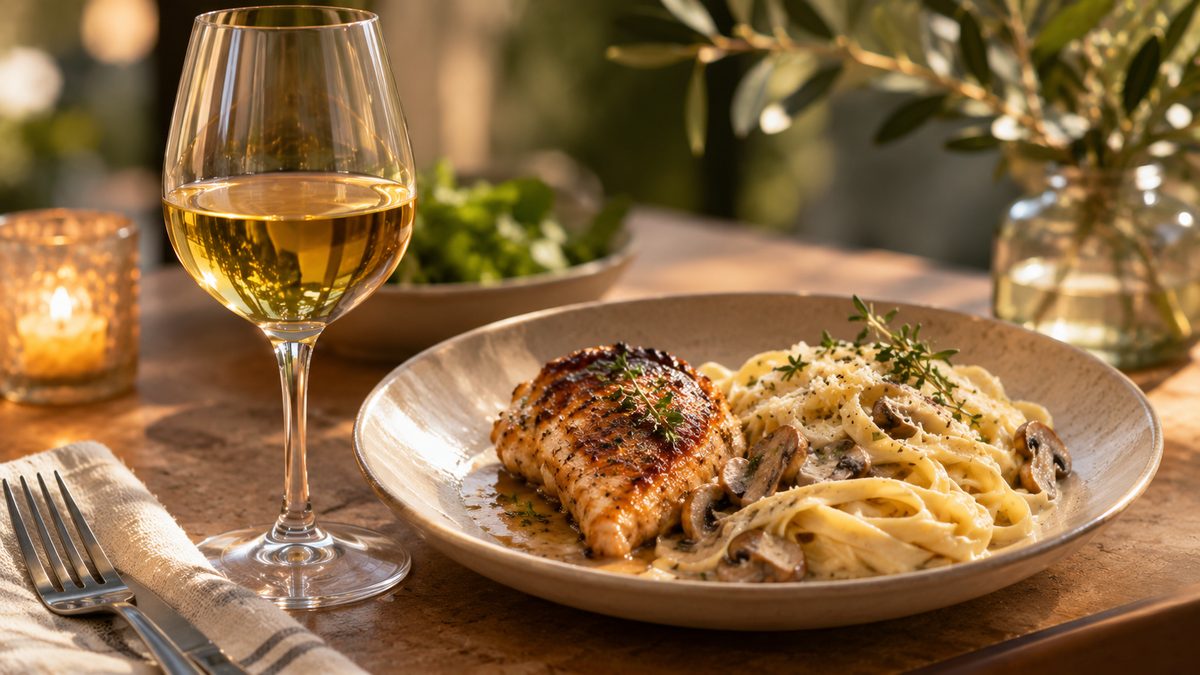
Chardonnay is the fuller, richer white: a natural with creamy pasta, roast chicken and buttery sauces.
Chardonnay vs Sauvignon Blanc at a glance
Chardonnay
Sauvignon Blanc
Body
Medium to full
Light
Oak
Often oaked (sometimes unoaked)
Rarely oaked
Acidity
Medium
High
Flavours
Apple, tropical fruit, butter, vanilla
Grapefruit, lime, gooseberry, grass
Sweetness
Dry
Dry
Best for
Creamy pasta, roast chicken, lobster
Goat cheese, salads, herbs, seafood
What does oaked vs unoaked Chardonnay mean?
It is the single biggest variable in how a Chardonnay tastes. Oaked Chardonnay is aged in oak barrels, which add buttery, vanilla, toasty character and more weight. Unoaked (or "stainless steel") Chardonnay skips the barrel, staying crisp, fresh and citrus-driven, much closer in style to Sauvignon Blanc.
So if you think you dislike Chardonnay because it is "too buttery", an unoaked bottle may change your mind.
Which food goes with each?
Chardonnay, with its body and richness, is a natural with creamy pasta, roast chicken, lobster and buttery sauces. Sauvignon Blanc, light and tangy, is made for goat cheese, green salads, herbs and fresh shellfish.
In the kitchen, a dry unoaked Chardonnay or a Sauvignon Blanc both make a fine cooking wine; skip a heavily oaked bottle, which can taste bitter once reduced.
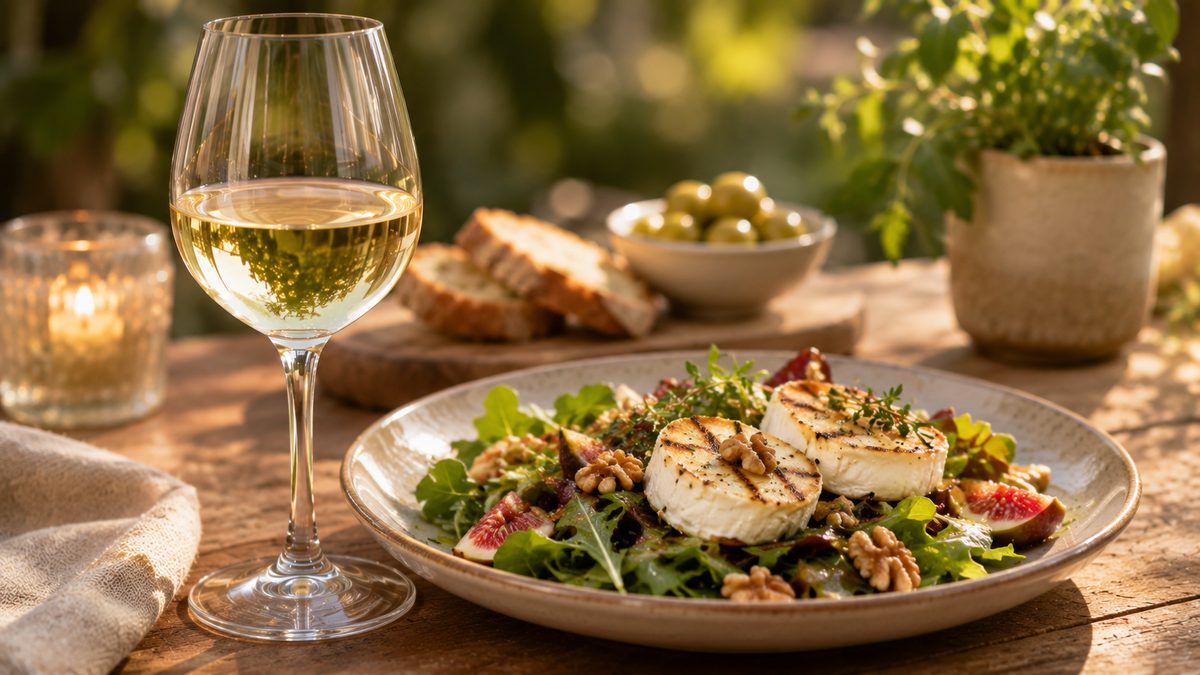
Sauvignon Blanc is light and tangy, made for goat cheese, salads, herbs and fresh seafood.
Which should you buy?
Buy Chardonnay when you want a fuller, more luxurious white, or a partner for rich, creamy, roasted food. Buy Sauvignon Blanc when you want something crisp, aromatic and refreshing, or a match for tangy, green, lighter dishes. And remember to check whether the Chardonnay is oaked, that one detail changes everything.
Check whether the Chardonnay is oaked: that one detail changes everything about the choice.
Know any wine in seconds
Scan any label with Grappi to get the grape, region, style and a clear 0 to 100 score, then the perfect wine for any meal. Free to use, works offline.
What is the difference between Chardonnay and Sauvignon Blanc?
Body and aroma. Chardonnay is medium to full-bodied and can be oaked, giving buttery, vanilla and tropical notes. Sauvignon Blanc is light, high in acidity and herbal, with citrus, gooseberry and grassy notes.
Which is drier, Chardonnay or Sauvignon Blanc?
Both are usually dry. Sauvignon Blanc tastes crisper because of its higher acidity, while Chardonnay can feel rounder and richer, especially when oaked, but that is texture, not sugar.
Which is sweeter?
Neither is sweet by default. Oaked Chardonnay can taste richer and give an impression of sweetness from vanilla and ripe fruit, but it is typically fermented dry.
Is Chardonnay stronger than Sauvignon Blanc?
Often slightly, yes. Chardonnay is frequently riper and a little higher in alcohol and body, which makes it feel stronger. Sauvignon Blanc is lighter and racier.
Which is better for beginners?
An unoaked Chardonnay or an easy Sauvignon Blanc both work. If you dislike oak, ask for unoaked Chardonnay or pick Sauvignon Blanc, which is rarely oaked.
What food pairs with each?
Chardonnay suits richer dishes: creamy pasta, roast chicken, lobster and buttery sauces. Sauvignon Blanc suits lighter, tangy food such as goat cheese, salads, herbs and fresh seafood.
What does oaked vs unoaked mean?
Oaked Chardonnay is aged in oak barrels, which add buttery, vanilla and toasty flavours. Unoaked, or stainless, Chardonnay is crisper and more citrus-driven, closer in style to Sauvignon Blanc.
Which is more popular?
Chardonnay is the most planted white wine grape in the world and hugely popular. Sauvignon Blanc is the zesty favourite, especially from New Zealand and the Loire.
Can you substitute one for the other?
For a crisp, light dish, yes. For a pairing or recipe that wants richness and body, light Sauvignon Blanc cannot easily replace Chardonnay, so match the weight of the dish.
Which is better for cooking?
A dry, unoaked white is best for cooking, so an unoaked Chardonnay or a Sauvignon Blanc both work well. Avoid a heavily oaked Chardonnay, which can turn bitter when reduced.