By the Grappi team · Updated November 2026 · 6 min read
No, sparkling wine and Champagne are not the same thing. All Champagne is sparkling wine, but only a sparkling wine made in the Champagne region of northeast France, by a specific method, can legally be called Champagne. Everything else, Prosecco, Cava, Crémant and the rest, is sparkling wine under its own name. Here is exactly what separates them, and why it matters for what you buy.
Is sparkling wine the same as champagne?
It is a one-way street. Every bottle of Champagne is a sparkling wine, but most sparkling wine is not Champagne. The name is a protected appellation, meaning it is tied by law to a single region.
Make a wine the exact same way, from the same grapes, a few hundred kilometres south, and it still cannot be called Champagne. It is sparkling wine, and it takes a different name instead.
Champagne vs Prosecco vs Cava vs Crémant
These four cover most of the sparkling wine people actually buy. The differences come down to where they are grown and how the bubbles get in.
Wine
Where
Method
Taste
Typical price
Champagne
Champagne, France
Traditional (in-bottle)
Fine bubbles, citrus, toast, bready depth
$40 and up
Prosecco
Veneto, Italy
Tank (Charmat)
Soft, fruity, floral, easy
$12 to $20
Cava
Spain (mostly Penedès)
Traditional (in-bottle)
Dry, savoury, citrus and almond
$10 to $20
Crémant
France, outside Champagne
Traditional (in-bottle)
Champagne-style, softer, great value
$15 to $30
The pattern is simple. Tank-method wines like Prosecco stay fruity and fresh. Bottle-fermented wines like Champagne, Cava and Crémant trade some fruit for finer bubbles and toasty, bread-like complexity.
Champagne, Prosecco, Cava or Crémant: the name on the bottle tells you both the region it came from and how the bubbles got in.
What makes Champagne, Champagne?
Three things: the place, the method and the aging. The Champagne region is cool and chalky, which suits the main grapes, Chardonnay, Pinot Noir and Pinot Meunier.
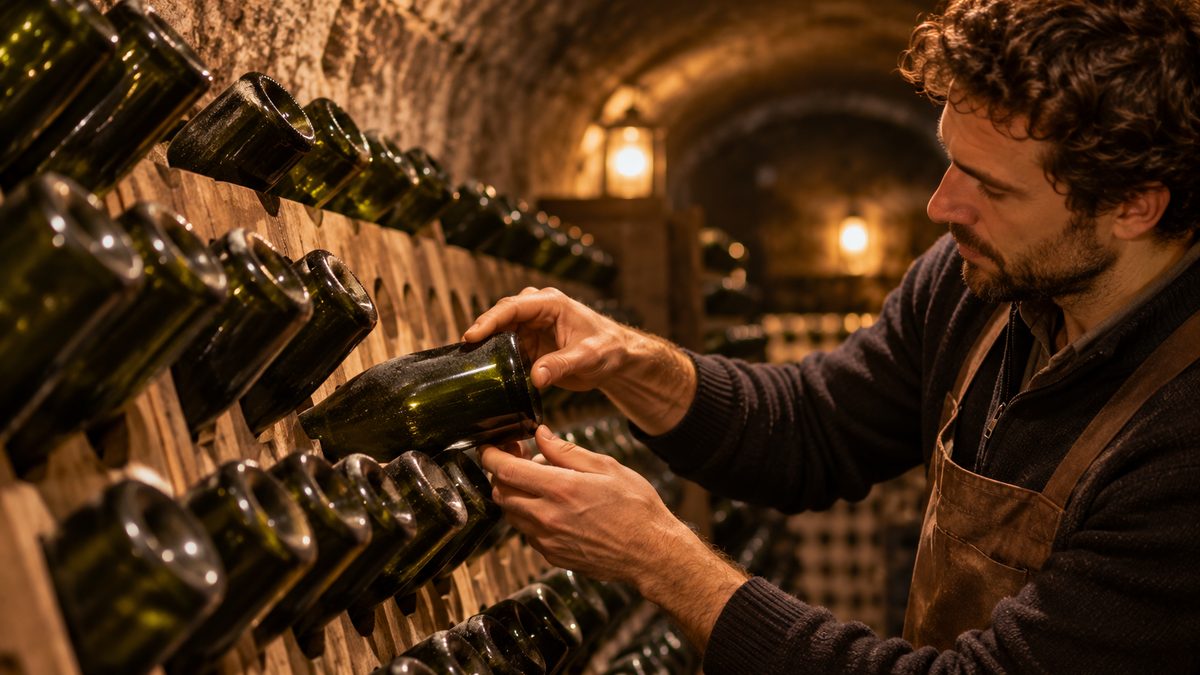
Each bottle goes through a second fermentation inside the glass, then rests for months or years on the spent yeast, which builds those signature biscuit and brioche notes. The name has been legally protected since the early twentieth century.
The traditional method: a second fermentation inside each bottle, then long aging on the spent yeast, is what truly defines Champagne.
Does Champagne taste better?
Not by default. The best Champagne is world-class, but it is competing with the producer, not the postcode.
In blind tastings, a good Cava or Crémant regularly outscores entry-level Champagne. Buy on the method and the maker, and you will drink better for less.
Which should you buy?
For a celebration where the name matters, Champagne earns its moment. For a party, brunch or a spritz, Prosecco is made for it and priced for it.
For the best quality-to-price on a Tuesday, Cava and Crémant are the quiet winners. Match the bottle to the occasion rather than assuming dearer is better.
Match the bottle to the occasion: for a party, Prosecco shines; for a toast that matters, Champagne earns its moment.
Know any wine in seconds
Scan any label with Grappi to get the grape, region, style and a clear 0 to 100 score, then the perfect wine for any meal. Free to use, works offline.
No. Prosecco is an Italian sparkling wine made mainly from the Glera grape, usually by the tank (Charmat) method, which gives it a fruity, floral, easy style. Champagne comes only from the Champagne region of France and is made by the traditional method. They are different wines.
Is Cava the same as Champagne?
No, but it is the closest cousin. Cava is a Spanish sparkling wine made by the same traditional, bottle-fermented method as Champagne, which is why a good Cava can taste remarkably similar for a fraction of the price. It just cannot use the name Champagne.
Why is Champagne so expensive?
The grapes come from a small, cool, in-demand region, and the traditional method requires a slow second fermentation in each bottle plus long aging, which ties up stock for years. Strict rules and global prestige do the rest.
Can American sparkling wine be called Champagne?
New wine cannot. A handful of older US brands were grandfathered in and still print "California Champagne" on the label, but under EU law and most trade agreements the name is reserved for the Champagne region of France.
What is methode traditionnelle or methode champenoise?
It is the way Champagne gets its bubbles: a second fermentation happens inside the sealed bottle, trapping carbon dioxide, followed by aging on the spent yeast. It gives fine, persistent bubbles and bready, toasty flavours. Cava and Cremant use it too.
Does Champagne taste better than other sparkling wine?
Not automatically. Top Champagne is superb, but a well-made Cava or Cremant often beats entry-level Champagne in a blind taste. Taste comes down to the producer and the method, not just the name on the label.
What is Cremant?
Cremant is French sparkling wine made by the traditional method but outside the Champagne region, in areas such as Alsace, Burgundy or the Loire. It offers Champagne-style quality at a gentler price, which is why it is a favourite value pick.
Is all Champagne dry?
Most is. The common style is Brut (dry), but Champagne ranges from bone-dry Extra Brut and Brut Nature to sweeter Sec and Demi-Sec. The sweetness is set by a small sugar addition near the end, called the dosage.
What is the difference between the tank method and the traditional method?
In the tank (Charmat) method the second fermentation happens in a large pressurised tank, which is faster and keeps fresh, fruity flavours, as in Prosecco. In the traditional method it happens in each bottle, giving finer bubbles and toasty depth, as in Champagne and Cava.